How to Read a Cannabis COA: Understanding Your Lab Results
Must be 21+. For use where cannabis is legal. Please consume responsibly.
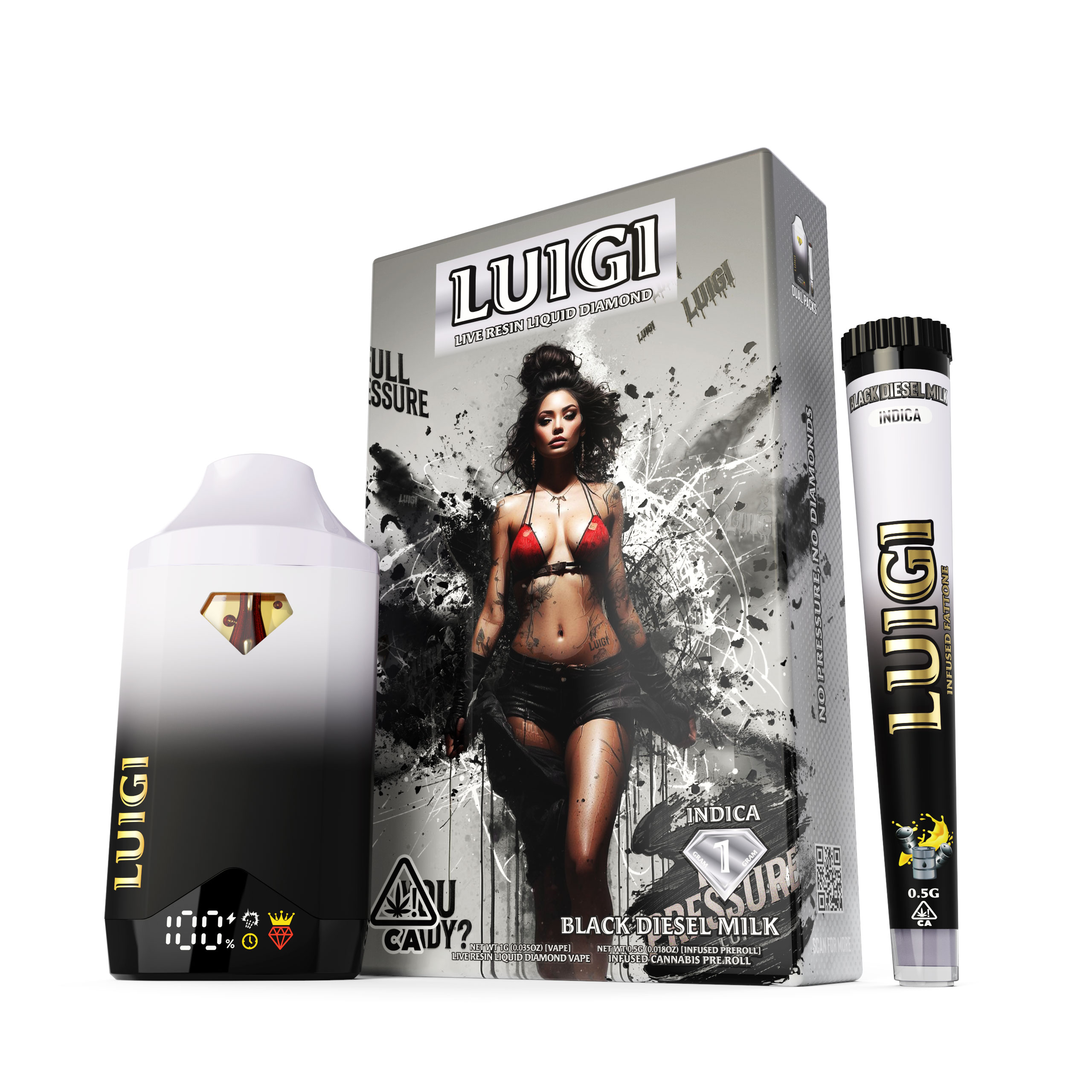
Every legally sold cannabis product comes with a Certificate of Analysis (COA) — usually accessible through a QR code on the packaging — but most people have never actually opened one and walked through what it says. Here's how to read one properly, so you're working from real data instead of trusting the label alone.
What a COA Actually Is
A Certificate of Analysis is a lab report generated by an independent, state-licensed testing facility after analyzing a specific batch of cannabis product. It's not produced by the brand or the dispensary — it's a third-party document meant to verify what's actually in the product, separate from any marketing claims on the packaging.
In licensed markets like California, cannabis products are legally required to pass this kind of testing before they can be sold, covering potency, contaminants, and in some cases terpene content.
Section 1: Cannabinoid Potency
This is usually the first section on any COA, and it's where most people start — and stop. A few key numbers to look for:
- THCA (tetrahydrocannabinolic acid). This is the raw, non-active form of THC found in unheated cannabis. It's often the largest number on the page.
- Delta-9 THC. This is the active form of THC, present in smaller amounts in raw flower since it forms primarily through heat exposure (decarboxylation).
- Total THC. Calculated using a standard formula — (THCA × 0.877) + Delta-9 THC — this gives a more complete picture of potential potency than either number alone.
- Other cannabinoids like CBD, CBG, or CBN may also be listed, typically in much smaller percentages unless the product is specifically formulated around one of them.
If a product's label advertises "30% THC" but the COA only shows Delta-9 THC at that level without accounting for THCA conversion, that's worth a second look — most high-THC cannabis products report the bulk of their potency as THCA, not Delta-9.
Section 2: Terpene Profile
Not every COA includes a full terpene breakdown — it depends on the state's testing requirements and whether the brand opts for additional testing beyond the legal minimum. When it is included, you'll typically see:
- Individual terpenes like myrcene, limonene, or caryophyllene, each listed with its own percentage
- Total terpene content, which gives a rough sense of how aromatic or flavorful the product is likely to be
A higher total terpene percentage generally correlates with stronger flavor and aroma, though the specific terpene mix matters more than the raw total for predicting what the product will actually taste like.
Section 3: Contaminant Screening
This section is arguably the most important from a safety standpoint, even though it gets the least attention. Look for pass/fail results across:
- Pesticides — screened against a state-specific action list of prohibited or restricted compounds
- Heavy metals — including lead, arsenic, cadmium, and mercury
- Residual solvents — relevant for any product that used butane, propane, CO2, or similar solvents during extraction
- Microbial contaminants — including mold, yeast, and certain bacteria
- Mycotoxins — toxic compounds that can be produced by certain molds
Every category should show either "pass," "not detected," or a specific measured value below the legal action limit. Any "fail" result means the batch should not have reached the shelf at all — a sign of either testing fraud or a major compliance breakdown if you ever encounter one.
Section 4: Batch and Lab Identification
The header or footer of most COAs includes information that's easy to skip but important to actually check:
- Batch or lot number. This should match the number printed on your specific package. A COA for a different batch tells you nothing reliable about the product in your hand.
- Testing lab name and license number. Confirms the test was performed by an independent, state-licensed lab rather than self-reported by the brand.
- Test date. Cannabinoid and terpene content can degrade over time, so a test date that's many months old relative to your purchase is worth factoring in.
- Sample size and methodology. More rigorous COAs note how the sample was collected and what testing method (typically HPLC for cannabinoids) was used.
A Quick copyrightple Walkthrough
Here's how the pieces fit together using a hypothetical (not actual) COA:
| Field | copyrightple Value | What It Tells You |
|---|---|---|
| Batch # | LR-0623-A | Should match your package label |
| THCA | 28.4% | Raw cannabinoid content before heat |
| Delta-9 THC | 0.8% | Already-active THC, pre-use |
| Total THC | 25.7% | Calculated potential potency |
| Total Terpenes | 3.2% | Rough flavor/aroma intensity indicator |
| Pesticides | Pass | No prohibited compounds detected |
| Heavy Metals | Pass | Below action limits |
Why This Matters More for Concentrates Than Flower
Reading a COA matters across every cannabis category, but it's especially relevant for concentrates like live resin, live rosin, and liquid diamonds, since the production methods behind these products vary more than flower does. Two products labeled "live rosin" can still differ meaningfully in actual terpene content and purity — the COA is the only objective way to compare them rather than relying on the category name alone.
For more on how extraction method specifically affects what shows up on a COA, see the Luigi Live Resin Guide.
FAQ
Where do I find a product's COA? Most legally sold cannabis products include a QR code on the packaging that links directly to the batch-specific COA. If it's not on the packaging, a licensed dispensary should be able to provide it on request.
What's the difference between THCA and Total THC on a COA? THCA is the raw, non-active cannabinoid present in unheated cannabis. Total THC is a calculated figure that accounts for how much active THC the product would yield after decarboxylation (heating), using the formula (THCA × 0.877) + Delta-9 THC.
Do all COAs include terpene testing? Not always. Terpene testing requirements vary by state, and some brands include it as an additional, non-mandatory test. If terpene content matters to you, check whether the COA includes that section before assuming it's missing entirely.
What should I do if I can't find a COA for a product? Treat it as a red flag. Every legally sold cannabis product should have an accessible, batch-specific COA from an independent, licensed lab — if one isn't available, that's a reason to ask questions before buying.
Must be 21+ to purchase. Please consume responsibly.